
Understanding the Impact of Noise and Vibration on WC Bushings
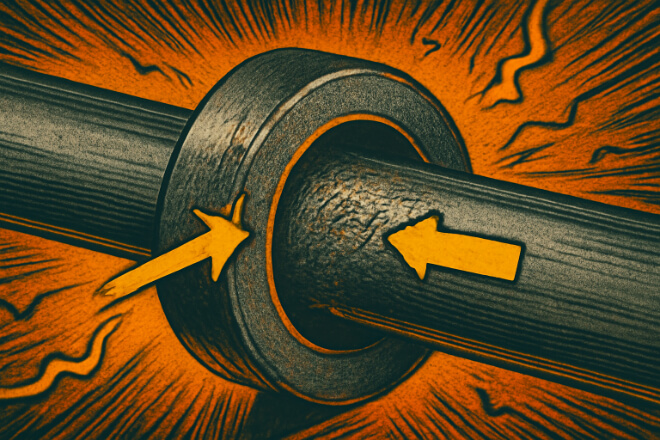
Noise and vibration are not just indicators of machinery malfunction; they also directly affect the lifespan of tungsten carbide bushings.
These issues typically arise due to mechanical stress, misalignment, or poor lubrication. Over time, prolonged exposure to noise and vibration can result in excessive wear, cracks, or even complete failure of the bushing.
为什么重要:
Increased Wear: Excessive vibration can cause the bushing to wear unevenly, leading to performance issues.
Heat Build-Up: Vibrations generate heat, which can degrade the lubrication and increase friction.
Early Failure: If not addressed, noise and vibration can result in premature failure of the bushing.
Identifying the Causes of Noise and Vibration in WC Bushings
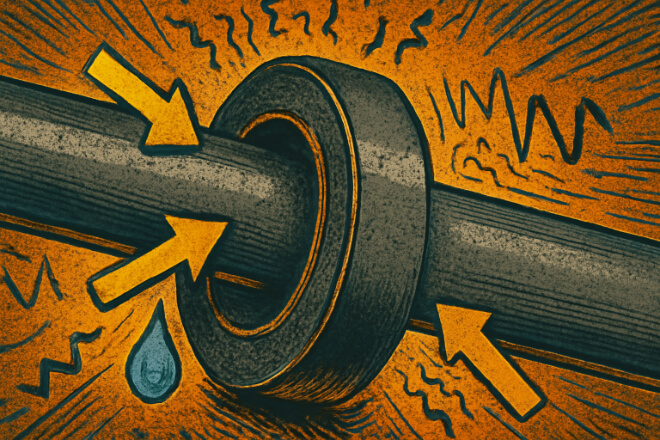
Understanding the potential causes of noise and vibration is essential to diagnosing the problem and taking corrective action.
1). Common Causes:
Misalignment: When the shaft and bushing are not properly aligned, uneven wear and vibration can occur.
Improper Clearance: Too tight or too loose a fit between the bushing and shaft can cause movement that results in noise and vibration.
Inadequate Lubrication: Insufficient lubrication increases friction, which leads to vibrations and noise.
Excessive Load: When the bushing is subjected to loads beyond its capacity, vibrations are often amplified.
Wear and Tear: Over time, the bushing may wear out, leading to irregularities in the surface that cause noise and vibrations.
2). How to Spot the Issue:
Excessive Noise: A high-pitched or grinding sound often indicates friction, misalignment, or wear.
Frequent Vibration: Continuous or irregular vibrations may signal improper clearance or damage.
Field Checklist: How to Inspect for Noise and Vibration Issues
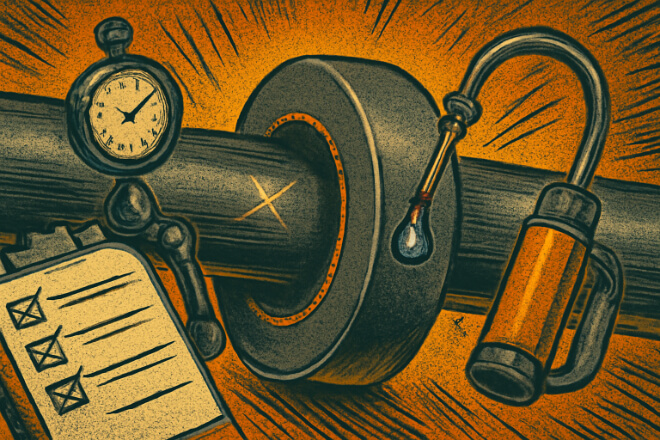
A structured inspection can help detect noise and vibration problems before they lead to failure. Here’s a step-by-step checklist to identify and solve issues:
1). Check for Misalignment
Misalignment between the shaft and bushing can cause uneven pressure on the bushing surface, leading to vibrations and noise.
Action: Use a laser alignment tool or a dial indicator to check for shaft misalignment.
Solution: Adjust the alignment of the shaft to bring it into correct alignment with the bushing.
2). Inspect for Proper Clearance
Incorrect clearance can cause either excessive friction or unstable movement, both of which result in vibration and noise.
Action: Measure the gap between the bushing and shaft using feeler gauges or micrometers.
Solution: Adjust the clearance to fall within the manufacturer’s specified tolerance.
3). Lubrication Check
Improper or insufficient lubrication is one of the most common causes of increased friction, leading to noise and vibration.
Action: Inspect the lubrication system to ensure the correct type and amount of lubricant is being used.
Solution: If necessary, replace or top up the lubricant and ensure proper lubrication is flowing.
4). Inspect for Excessive Load
Too much load on the bushing can create vibrations and noise due to the increased stress on the bushing and shaft.
Action: Verify the operational load using the equipment’s specification sheets.
Solution: Reduce the load to the recommended limits to prevent excessive stress on the bushing.
5). Check for Surface Wear
Wear on the bushing surface can cause irregularities that result in noise and vibration during operation.
Action: Visually inspect the bushing for any signs of surface damage or roughness.
Solution: If surface wear is found, consider replacing the bushing or polishing the surface for smoother operation.
Preventing Noise and Vibration Problems
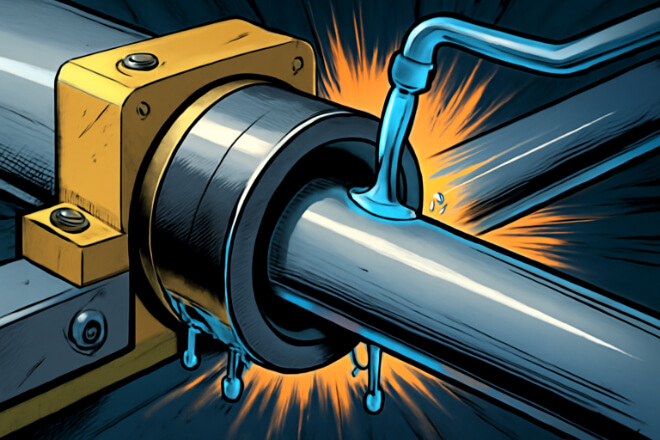
While detecting and addressing noise and vibration is important, prevention is always the best approach. Here are several strategies for minimizing noise and vibration in WC bushings:
1). Regular Maintenance
Perform regular inspections of the bushing and shaft to catch any issues early. Regular lubrication, alignment checks, and wear inspections can prevent problems from escalating.
2). Proper Shaft and Bushing Compatibility
Ensure that the materials and dimensions of the shaft and bushing are compatible. Mismatched components can lead to excessive friction and vibrations.
3). Use Vibration Dampening Systems
In high-vibration environments, consider installing vibration dampeners or isolators to absorb excess vibrations before they reach the bushing.
4). Avoid Overloading
Ensure that the system is not overloaded and always operates within the recommended specifications to prevent unnecessary stress on the bushing.
 English
  Español
  简体中文
简体中文  Français
  日本語
日本語  한국어
한국어  العربية
  Tiếng Việt