
Understanding Tungsten Carbide and Its Benefits
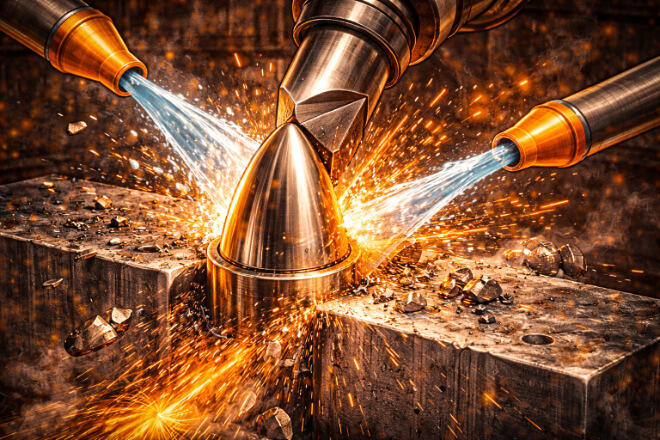
Before diving into the sharpening process, it’s important to understand why tungsten carbide is such a popular material in industrial applications.
Tungsten carbide is an extremely hard and durable material composed of tungsten and carbon.
It’s widely used for cutting tools, including tips, due to its high 硬度, 耐磨性, and ability to withstand high temperatures.
These characteristics make tungsten carbide tips highly effective in industries like 矿业, 石油和天然气, and metalworking.
When to Sharpen Tungsten Carbide Tips

It’s crucial to sharpen tungsten carbide tips regularly to ensure they maintain their cutting effectiveness.
Over time, wear from abrasive materials, impact, and friction can dull the tip. Knowing when to sharpen the tool is key. Signs that your carbide tip needs sharpening include:
Decreased cutting efficiency
Increased power consumption
Visible dulling or chipping of the tip
Poor surface finish of the workpiece
Regular inspection of your tungsten carbide tools will help you identify when sharpening is necessary.
Tools Required for Sharpening Tungsten Carbide Tips
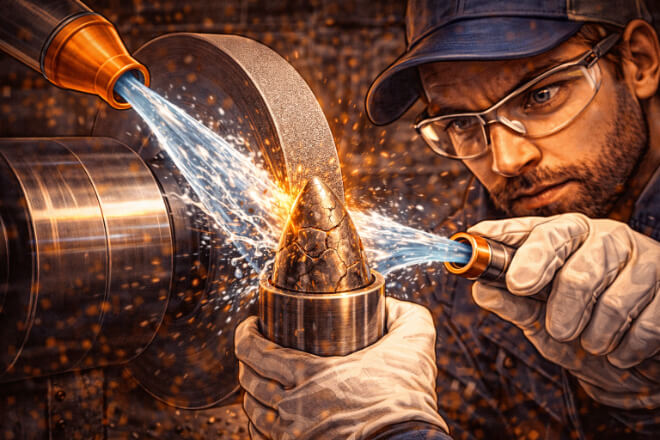
锐化 tungsten carbide tips requires specialized tools to ensure precision and to avoid damaging the tips. Some of the tools you’ll need include:
Diamond Grinding Wheel: Tungsten carbide is so hard that it can only be sharpened using a diamond grinding wheel. These wheels provide the necessary abrasiveness for effective sharpening.
Grinding Machine: A precision grinding machine ensures uniform sharpening and control over the process.
Coolant: To prevent the carbide from overheating and cracking, use coolant during the sharpening process.
Step-by-Step Guide to Sharpening Tungsten Carbide Tips
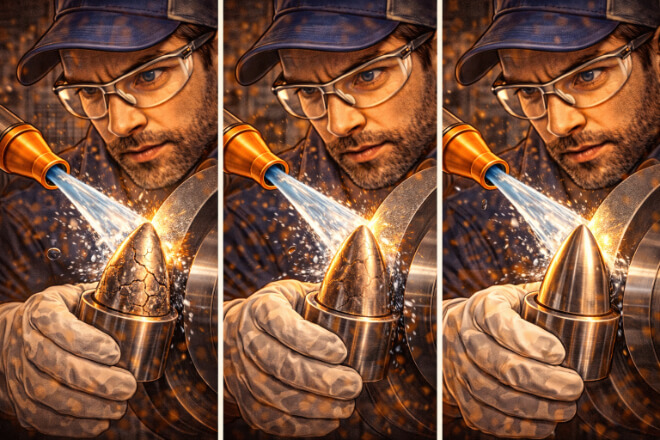
Follow these steps to sharpen your tungsten carbide tips effectively:
Step 1: Prepare the Equipment
Ensure that you have all the required tools in place. Install the diamond grinding wheel on the grinding machine and set up the coolant system to ensure the carbide doesn’t overheat.
Step 2: Secure the Carbide Tip
Place the carbide tip securely in the machine’s holder to prevent any movement during the grinding process. This step is essential to ensure consistent sharpening.
Step 3: Adjust the Grinding Machine Settings
Set the grinding machine to the appropriate speed and pressure based on the specifications for the carbide material. Typically, a lower speed is ideal to prevent overheating.
Step 4: Start the Sharpening Process
Slowly move the carbide tip towards the grinding wheel. Apply even pressure to the tip while maintaining a consistent angle to ensure an even sharp edge.
Keep an eye on the tip to avoid over-sharpening, which can compromise its durability.
Step 5: Cool the Tip
Use coolant throughout the process to keep the carbide cool and to prevent it from cracking due to high temperatures.
Step 6: Inspect the Tip
After sharpening, inspect the tip for any visible signs of wear or damage. Ensure the cutting edge is sharp and free of any chips or cracks.
Common Mistakes to Avoid During Sharpening
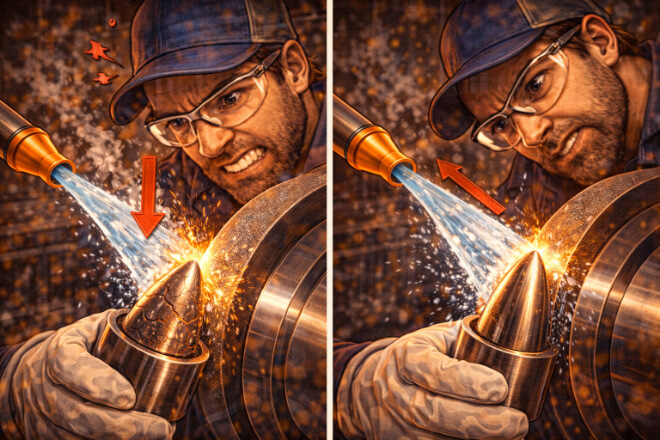
While sharpening tungsten carbide tips, certain mistakes can compromise the tool’s performance. Some common mistakes to avoid include:
Overheating the Tip: Excessive heat can cause the carbide to crack. Always use coolant and control the grinding speed.
Incorrect Angle: Sharpening at the wrong angle can damage the cutting edge or reduce its effectiveness. Follow the manufacturer’s recommended sharpening angle.
Excessive Pressure: Applying too much pressure while sharpening can lead to chipping or breaking of the carbide. Apply gentle, even pressure to avoid this.
Maintaining Sharpness After Sharpening
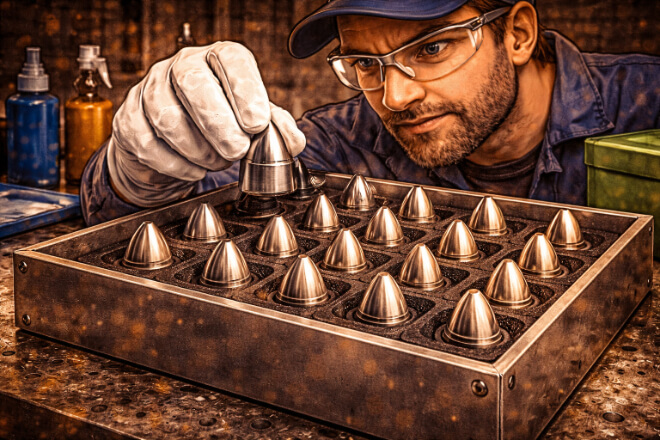
Once the carbide tip has been sharpened, it’s important to maintain its sharpness through proper care and handling. Here are some tips to help maintain the sharpness:
Proper Storage: Store carbide tools in a dry, cool place to prevent moisture from affecting the material.
Regular Inspections: Regularly inspect the tips to ensure they remain sharp and free from damage.
Avoid Overloading the Tool: Using carbide tips beyond their capacity can lead to premature wear. Ensure the tool is used within its designed limits.
 English
  Español
  简体中文
简体中文  Français
  日本語
日本語  한국어
한국어  العربية
  Tiếng Việt