
Why Maintenance Is Critical for Tungsten Carbide Tips
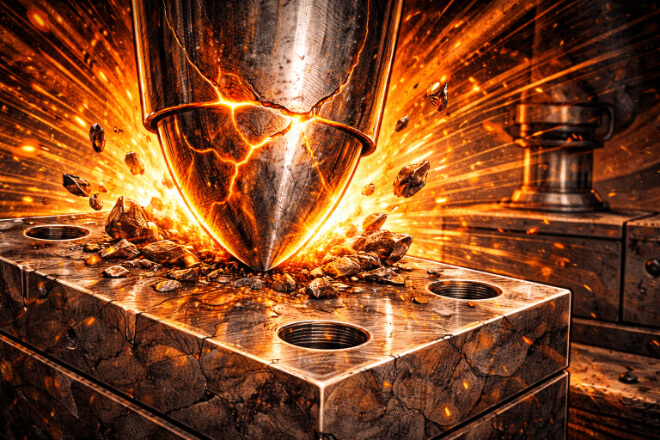
Many tool failures are not caused by material defects, but by poor maintenance practices.
Tungsten carbide tips operate under high load, impact, heat, and friction. Over time, these conditions create wear that must be managed.
Proper maintenance helps to:
Maintain stable cutting or drilling performance
Detect problems before failure
Reduce replacement frequency
Control operating costs
For decision-makers, maintenance is a strategic cost-control tool, not just a technical task.
Establishing a Regular Inspection Routine
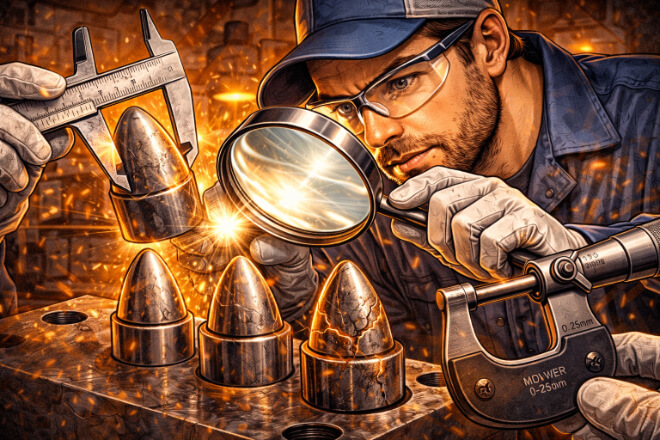
Inspection is the foundation of effective maintenance. Without inspection, damage remains hidden until failure occurs.
1). What to Inspect
Cutting edges for chipping or rounding
Surface for scratches or grooves
Signs of cracks or heat discoloration
Uneven or abnormal wear patterns
2). Inspection Frequency
Inspection frequency should match operating conditions. High-impact or abrasive environments require more frequent checks.
Early detection allows corrective action before performance drops.
Cleaning Tungsten Carbide Tips Properly
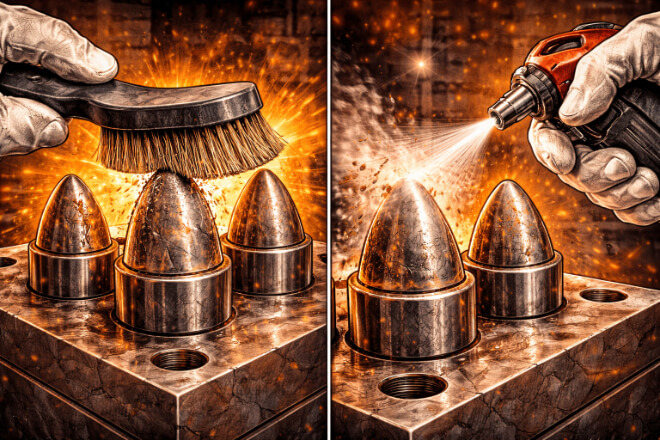
Cleaning is often overlooked, but it plays a key role in tip longevity.
Dirt, metal particles, coolant residue, and abrasive dust increase friction and accelerate wear.
Best Cleaning Practices
Clean tips after each operation cycle
Use soft brushes or compressed air
Avoid aggressive chemicals
Dry tips completely before storage
Clean tips reduce friction, improve accuracy, and slow wear progression.
Managing Wear Before It Becomes Damage
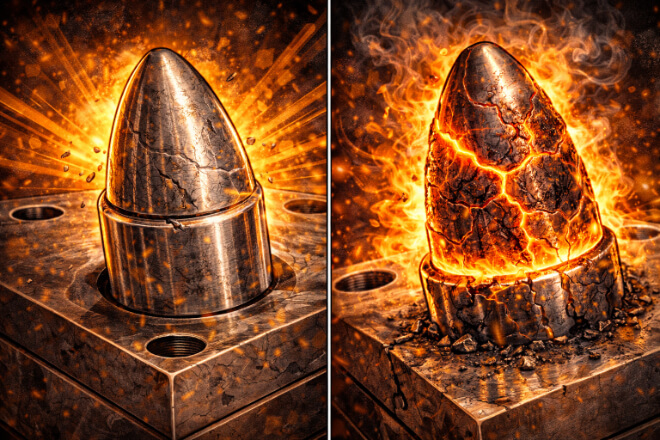
Wear is normal, but uncontrolled wear leads to damage.
1). Types of Wear to Monitor
Abrasive wear on cutting surfaces
Edge rounding that reduces efficiency
Localized wear caused by misalignment
2). Corrective Actions
Adjust operating parameters
Improve alignment
Reduce feed rate or impact force
Replace tips before structural damage occurs
Managing wear early prevents sudden failure.
Lubrication and Cooling Best Practices
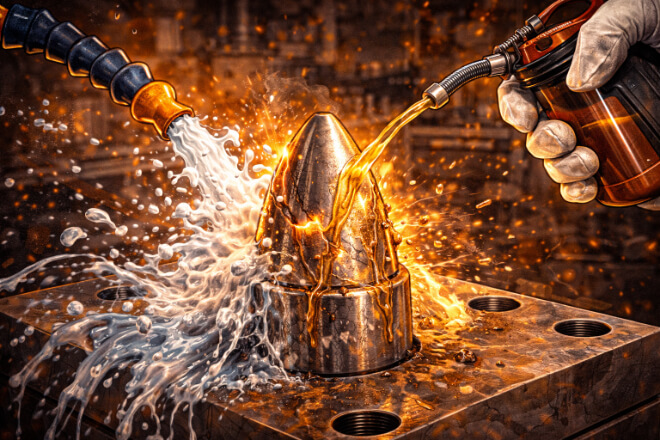
Heat and friction are major enemies of tungsten carbide tips. Proper lubrication and cooling significantly extend tool life.
1). Why Lubrication Matters
Reduces friction
Controls operating temperature
Prevents surface damage
2). Best Practices
Use lubricants compatible with carbide
Maintain stable coolant flow
Avoid dry running unless specifically designed
Correct lubrication protects both the tip and the machine.
Storage and Handling as Part of Maintenance
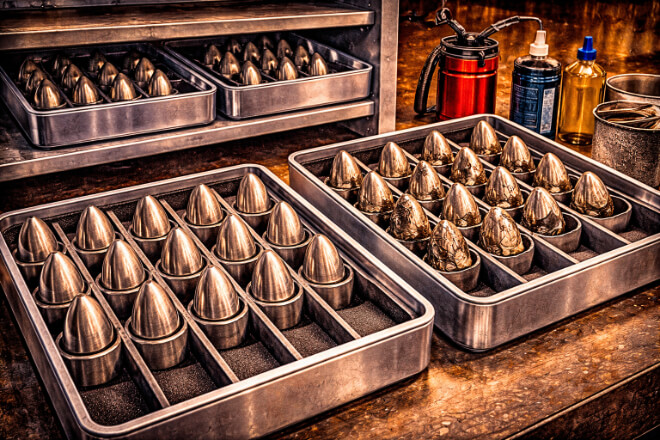
Maintenance does not end when the machine stops. Poor storage damages tips before they are even used.
1). Storage Guidelines
Store in dry, clean environments
Use cushioned containers
Separate tips to prevent contact damage
2). Handling Guidelines
Wear gloves when handling
Avoid dropping tips
Use proper trays or holders
Good storage protects tips between operating cycles.
Training Operators and Maintenance Teams

Even the best maintenance plan fails without trained people.
Key Training Focus Areas
Proper inspection techniques
Correct handling methods
Early wear recognition
Safe replacement procedures
Well-trained teams reduce human error and improve tool life.
Creating a Maintenance Record System

Tracking maintenance data helps identify patterns and optimize operations.
What to Record
Operating hours
Wear type and location
Replacement timing
Failure causes
Over time, this data improves tool selection and process design.
 English
  Español
  简体中文
简体中文  Français
  日本語
日本語  한국어
한국어  العربية
  Tiếng Việt