
Why Supplier Audits Are Important
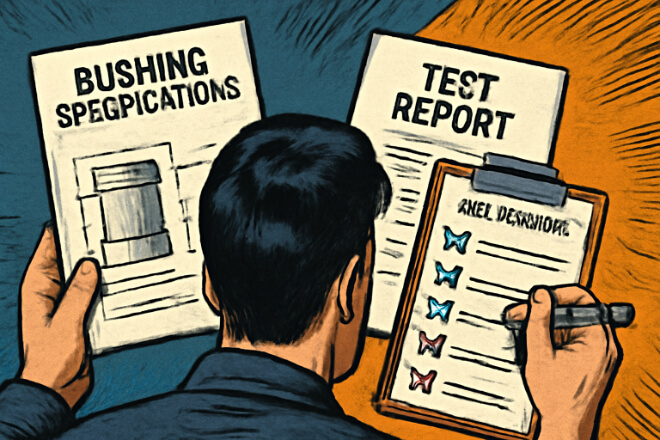
Supplier audits are essential for evaluating the overall performance, quality control, and capacity of a tungsten carbide bushing manufacturer. By conducting regular audits, companies can:
Ensure Consistency: Verify that the manufacturer consistently produces parts that meet the required specifications.
Evaluate Quality Control: Ensure that the supplier follows stringent quality control measures to avoid defects.
Identify Risks: Identify any potential risks such as material inconsistency, production delays, or inadequate testing.
Build Stronger Relationships: Establish and maintain good communication and trust between buyers and suppliers.
A well-conducted supplier audit will help you mitigate potential risks, improve product quality, and reduce costs in the long run.
Key Areas to Focus on During the Supplier Audit
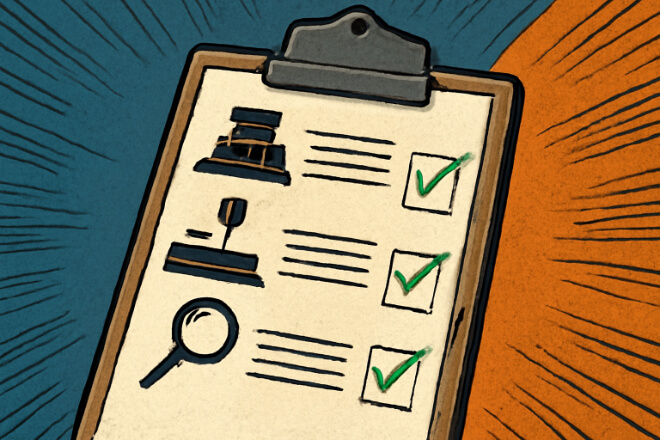
When auditing tungsten carbide bushing manufacturers, there are several critical areas to focus on. Here is a checklist of key points to consider during the audit process:
1). Company Overview and Credentials
Check for industry certifications such as ISO 9001, which indicates the supplier follows international quality standards.
Review their experience in producing tungsten carbide bushings and their reputation in the industry.
2). Material Sourcing and Quality Control
Evaluate raw material sourcing to ensure they use high-quality tungsten carbide materials (WC-Co or WC-Ni).
Review their material traceability system, ensuring they can track the source of each batch of material used for production.
3). Manufacturing Process
Assess the production capacity and whether the manufacturer can meet your production needs.
Inspect the manufacturing equipment and ensure it is up-to-date and well-maintained to produce precise and high-quality bushings.
Verify the manufacturing workflow, ensuring the process minimizes defects and downtime.
4). Quality Control and Testing
Examine their testing procedures, including dimensional, 硬度, 密度, and surface finish tests.
Review records of previous tests and performance evaluations to ensure consistency in quality.
Check for in-process inspections and whether the manufacturer conducts thorough inspections at different stages of production.
5). Lead Time and Delivery Performance
Assess the supplier’s lead time capabilities and whether they can deliver products on time.
Review past delivery performance to understand how reliable the supplier is in meeting deadlines.
6). Compliance with Environmental and Safety Standards
Ensure they comply with relevant environmental regulations to avoid potential legal issues or disruptions in production.
Check the safety protocols followed by the supplier during manufacturing to ensure a safe working environment.
7). Cost and Value Proposition
Assess their pricing model and whether it aligns with your budget without compromising quality.
Review the overall value proposition, considering factors like quality, delivery time, and after-sales support, in addition to cost.
How to Conduct the Audit: Step-by-Step Process

Conducting a supplier audit involves several steps to ensure that all critical factors are properly evaluated.
Step 1: Preparation
Prepare your audit team: Select qualified team members who understand the key requirements for 碳化钨衬套 生产。
Set audit objectives: Define the specific objectives you want to achieve, such as ensuring material quality or evaluating production capabilities.
Create an audit checklist: Use the checklist provided earlier to ensure all areas are covered.
Step 2: Site Visit
Conduct an on-site inspection: Visit the supplier’s manufacturing facility to observe their operations and processes firsthand.
Meet with key personnel: Speak with engineers, quality control managers, and production staff to assess their knowledge and experience.
Step 3: Data Collection and Review
Gather data: Collect relevant data, including test reports, production records, and compliance certificates.
Review historical performance: Look at the supplier’s past performance, including their consistency in meeting quality standards and delivery deadlines.
Step 4: Evaluation and Reporting
Assess the supplier’s capabilities: Based on your findings, evaluate whether the supplier meets your expectations.
Prepare an audit report: Document the audit findings, highlighting areas of concern, strengths, and opportunities for improvement.
Step 5: Follow-Up Actions
Discuss results with the supplier: Share the audit results and work with the supplier to address any identified issues.
Monitor improvements: Set timelines to implement any corrective actions and follow up with the supplier to ensure they are met.
Benefits of Regular Supplier Audits

Regular supplier audits offer several advantages that can enhance the relationship between you and your tungsten carbide bushing supplier. Key benefits include:
Improved Product Quality: Consistent audits ensure the supplier follows strict quality control standards, reducing the likelihood of defects.
Better Communication: Regular audits foster better communication between you and the supplier, ensuring that both parties are aligned on requirements.
Faster Issue Resolution: By identifying problems early, supplier audits help resolve issues quickly, reducing downtime and production delays.
Cost Savings: By ensuring high-quality, on-time delivery, supplier audits can reduce the need for replacements and costly production errors.
 English
  Español
  简体中文
简体中文  Français
  日本語
日本語  한국어
한국어  العربية
  Tiếng Việt