
1. What Makes Tungsten Carbide Ideal for CNC and Precision Machining?
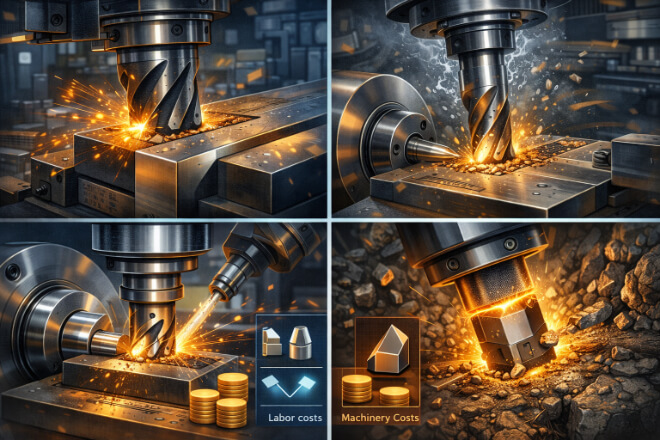
Tungsten carbide is a composite material made from tungsten and carbon that offers remarkable hardness, wear resistance, and thermal stability.
These properties make it the preferred choice for cutting tools used in CNC and precision machining automation.
Key Properties of Tungsten Carbide for Machining:
High Hardness: Tungsten carbide is one of the hardest materials available, making it ideal for machining tough materials like metals, plastics, and composites.
Wear Resistance: The material’s resistance to wear ensures longer tool life, even in high-friction applications where other materials might degrade more quickly.
Heat Resistance: Tungsten carbide can withstand high temperatures, making it suitable for high-speed machining operations where heat buildup is a concern.
Dimensional Stability: The material maintains its shape and sharpness during operations, leading to consistent results and reduced tool wear.
These properties make tungsten carbide an essential material for achieving high-precision cuts and maximizing tool life in automated machining processes.
2. Tungsten Carbide Tips in CNC Machining Automation
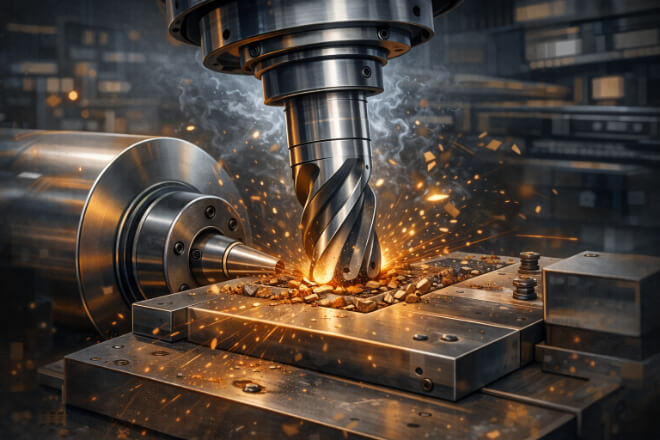
CNC machining relies on computer-controlled tools to perform precise cutting, drilling, and milling tasks.
Tungsten carbide tips enhance the performance of these tools by providing the strength and durability required to handle demanding tasks, even in fully automated machining setups.
Benefits of Tungsten Carbide Tips in CNC Machining:
Precision and Accuracy: Tungsten carbide tips maintain sharpness over extended use, ensuring accurate cuts, which is essential for CNC machines that require high precision.
Extended Tool Life: The hardness and wear resistance of tungsten carbide allow tools to last longer, reducing the need for frequent replacements and minimizing downtime.
High-Speed Operations: Carbide tips can handle the high speeds of CNC machining without losing their performance, ensuring that production rates remain high.
Reduced Tool Wear: Tungsten carbide’s resistance to wear reduces the frequency of tool maintenance and replacements, which is crucial in automated settings where machine uptime is critical.
By utilizing tungsten carbide tips, CNC machines can achieve faster production cycles with reduced wear, making them more efficient and cost-effective.
3. Enhancing Tool Performance with Tungsten Carbide Tips in Precision Machining
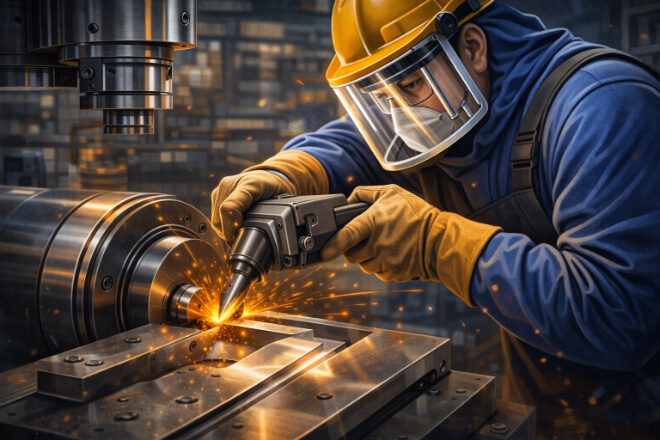
Precision machining involves the use of advanced equipment to create complex parts with tight tolerances.
Tungsten carbide tips are essential in this field, as they help produce high-quality finished products while maintaining consistency in the cutting process.
How Tungsten Carbide Tips Enhance Performance in Precision Machining:
Sharpness Retention: Tungsten carbide tips retain their sharp edges, ensuring that the tool can maintain cutting accuracy throughout the process, reducing the likelihood of dimensional errors.
Heat Dissipation: In precision machining, controlling temperature is crucial to avoid tool degradation. Tungsten carbide’s ability to withstand heat reduces the chances of the tool softening during high-speed cutting operations.
Reduced Burr Formation: Tungsten carbide tips create cleaner cuts with minimal burr formation, which is vital in applications requiring high-quality surface finishes.
These benefits help manufacturers achieve tighter tolerances and reduce the need for post-processing, improving overall efficiency and cost-effectiveness.
4. Automation and Efficiency in Tungsten Carbide Tip Usage

With the growing trend of automation in manufacturing, the demand for tools that can maintain performance during high-volume, continuous operations has increased.
Tungsten carbide tips are a key enabler of efficient machining in automated environments.
How Tungsten Carbide Tips Improve Automation Efficiency:
Consistent Cutting Quality:
Automated CNC machines rely on consistent tool performance.
Tungsten carbide tips ensure that the cutting quality remains high, even after extended use, minimizing the need for tool changes.
Reduced Downtime:
The durability of tungsten carbide tips means fewer tool changes and less downtime.
This is critical in automated settings where uptime is a priority, and production speed must be maintained.
Faster Cycle Times:
Tungsten carbide’s ability to handle high cutting speeds without significant wear enables faster machining cycles, which is vital in automated mass production settings.
Low Maintenance:
The wear resistance of carbide tips reduces the frequency of maintenance required, lowering labor costs and increasing overall productivity in automated systems.
By integrating tungsten carbide tips into automated machining systems, manufacturers can achieve more efficient, consistent, and cost-effective production processes.
5. Applications of Tungsten Carbide Tips in CNC and Precision Machining
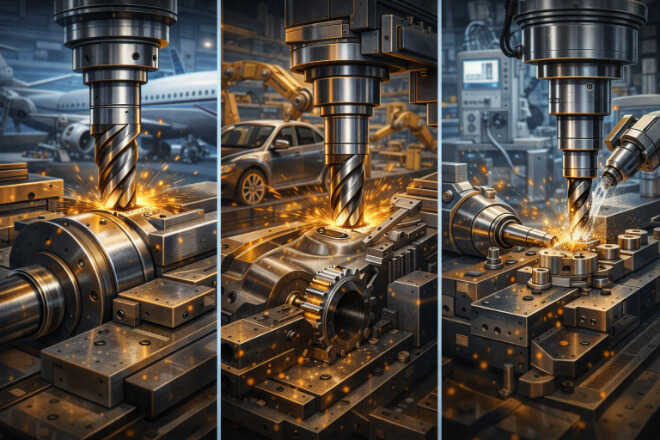
Tungsten carbide tips are widely used across different applications in CNC and precision machining.
These tools are employed in industries such as aerospace, automotive, medical device manufacturing, and metalworking due to their superior performance and versatility.
Key Applications for Tungsten Carbide Tips:
Aerospace Manufacturing:
Tungsten carbide tips are used to machine high-performance materials such as titanium alloys and composite materials, which require tools with exceptional wear resistance and heat tolerance.
Automotive Parts:
Carbide-tipped tools are used to create precision components like gears, engine parts, and bearings, where high-speed cutting and precision are essential.
Medical Device Manufacturing:
The medical industry requires tools that can cut and shape small, complex parts with tight tolerances.
Tungsten carbide tips provide the necessary durability and precision for these tasks.
Tungsten carbide tips are widely used in milling, drilling, and turning operations on metal materials, offering high performance in high-speed machining environments.
These applications highlight the versatility of tungsten carbide tips in a variety of industries, contributing to the efficiency and quality of manufacturing processes.
6. Future Trends in Tungsten Carbide Tips for CNC and Precision Machining
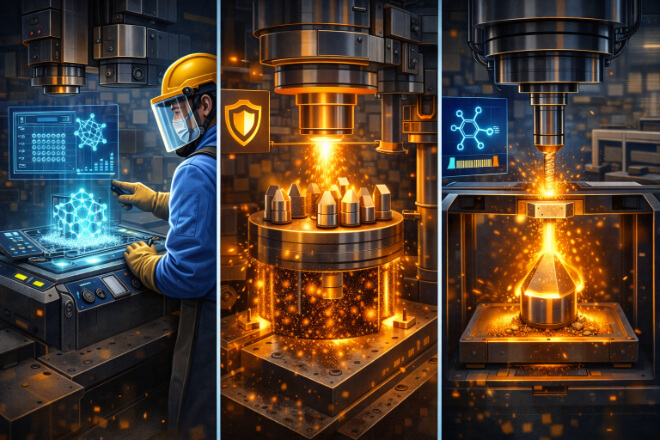
As industries continue to push for higher performance, the development of advanced tungsten carbide materials and manufacturing techniques is underway.
Emerging trends focus on enhancing carbide properties, improving tool designs, and integrating new technologies to meet the growing demands of CNC and precision machining.
Emerging Trends in Tungsten Carbide Tip Development:
Nanostructured Tungsten Carbide:
Nanotechnology is being applied to tungsten carbide to improve its wear resistance and toughness, leading to longer-lasting tips and better performance in high-demand applications.
Coatings and Surface Treatments:
New coatings, such as diamond-like carbon (DLC) coatings, are being applied to tungsten carbide tips to further enhance wear resistance and reduce friction.
3D Printing and Additive Manufacturing:
3D printing allows for the creation of complex, customized carbide tools with high precision.
This technology opens the door for more innovative tool designs and faster production cycles.
These advancements will continue to push the boundaries of tungsten carbide tips in CNC and precision machining, allowing manufacturers to achieve higher productivity and better results.
7. Cost Benefits of Using Tungsten Carbide Tips in CNC and Precision Machining
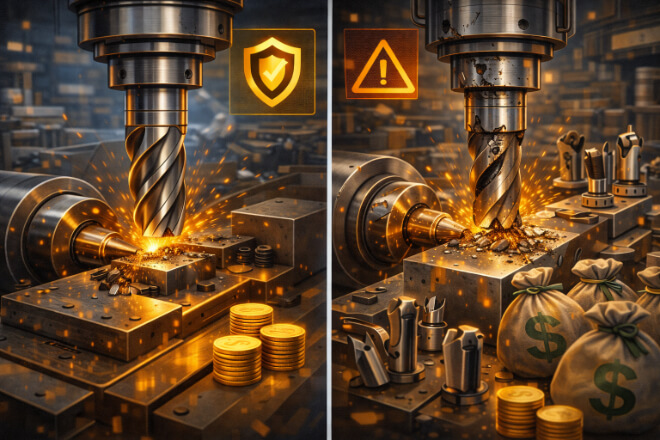
While tungsten carbide tips may come with a higher initial cost compared to other materials, their long-term benefits make them a cost-effective solution in the long run.
The durability, precision, and efficiency they offer can lead to significant savings over time.
Long-Term Cost Savings:
Fewer Tool Replacements: Tungsten carbide tips last longer than other materials, reducing the need for frequent tool replacements.
Improved Productivity: The enhanced performance and reduced downtime associated with carbide tips increase overall productivity, reducing labor costs and improving output.
Better ROI: The higher initial cost is offset by the longer lifespan, reduced maintenance, and improved cutting efficiency, leading to better return on investment.
Investing in tungsten carbide tips provides excellent value for industries that require high-performance cutting tools capable of handling demanding CNC and precision machining tasks.
 English
  Español
  简体中文
简体中文  Français
  日本語
日本語  한국어
한국어  العربية
  Tiếng Việt