متى يتم اختيار جلبات كربيد السيليكون
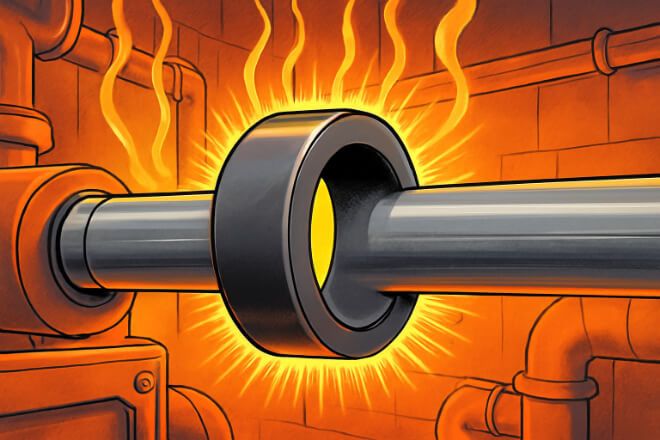
كربيد السيليكون مادة اصطناعية معروفة بخصائصها الشديدة صلابة, مقاومة التآكل, وأداء ممتاز في درجات الحرارة العالية. فيما يلي بعض الحالات التي تكون فيها جلبات كربيد السيليكون مثالية:
1) تطبيقات درجات الحرارة العالية
يمكن لكربيد السيليكون أن يتحمل درجات حرارة تصل إلى 1600 درجة مئوية (2912 درجة فهرنهايت) دون أن يتدهور، مما يجعله خيارًا مثاليًا للصناعات التي تتعامل مع بيئات ذات درجات حرارة عالية.
1.1). التطبيقات:
أجزاء الفرن
محركات عالية السرعة
الآلات التوربينية
توليد الطاقة (التوربينات الغازية)
1.2). لماذا نختار كربيد السيليكون؟
يتمتع كربيد السيليكون بموصلية حرارية ممتازة، مما يسمح له بتبديد الحرارة بشكل فعال.
وهذا يجعلها مناسبة للتطبيقات التي يمكن أن يكون فيها تراكم الحرارة ضارًا بأداء الجلبة.
2) بيئات التشغيل الجاف أو بيئات التشحيم المنخفض
يتميز كربيد السيليكون بمعامل احتكاك منخفض، مما يجعله خيارًا أفضل للأنظمة التي لا تستخدم التشحيم أو تلك التي تعمل في ظروف التشغيل الجاف.
2.1). التطبيقات:
مضخات التفريغ
الفضاء الجوي عناصر
آلات عالية السرعة ذات تزييت محدود
2.2). لماذا نختار كربيد السيليكون؟
احتكاك منخفض وعالي مقاومة التآكل تسمح هذه التقنية لبطانات كربيد السيليكون بالعمل بشكل جيد حتى في حالة عدم وجود مواد تشحيم.
يُعد هذا الأمر بالغ الأهمية في تطبيقات مثل مضخات التفريغ، حيث يمثل تلوث مواد التشحيم مصدر قلق.
3) البيئات الكيميائية العدوانية
يتميز كربيد السيليكون بمقاومة عالية للتآكل الناتج عن المواد الكيميائية والأحماض، وخاصة في البيئات القلوية أو الحمضية.
3.1). التطبيقات:
معدات المعالجة الكيميائية
صناعة الأدوية
أنظمة معالجة المياه
3.2). لماذا نختار كربيد السيليكون؟
شركة SiC الممتازة مقاومة التآكل مما يجعله مثالياً للبيئات التي تحتوي على مواد شديدة التآكل، حيث قد يتدهور كربيد التنجستن بمرور الوقت.
متى يتم اختيار جلبات كربيد التنجستن
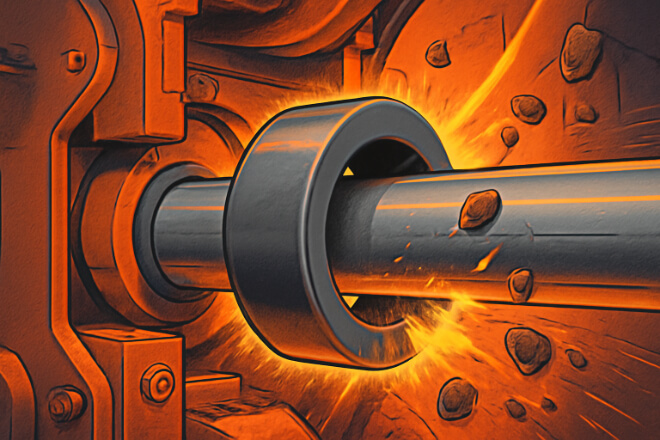
كربيد التنجستن، الذي يشار إليه غالبًا باسم "المادة المختارة" لتطبيقات التآكل عالية الأداء، يتميز بصلابته ومتانته الشديدة.
فيما يلي بعض الحالات التي يكون فيها كربيد التنجستن خيارًا أفضل:
1) ظروف التآكل الشديد والاحتكاك
يُعد كربيد التنجستن أحد أقسى المواد المتاحة وهو فعال بشكل خاص في البيئات الكاشطة، مثل تلك التي تحتوي على جزيئات صلبة أو أسطح خشنة.
1.1). التطبيقات:
معدات التعدين والحفر
آلات التصنيع ذات التلامس الكاشط
الأنظمة الهيدروليكية
1.2). لماذا تختار WC؟
يتفوق كربيد التنجستن في التطبيقات التي يكون فيها التآكل الكاشط مصدر قلق.
ارتفاعه صلابة يساعده ذلك على الحفاظ على شكله ووظائفه حتى في ظل الاحتكاك الشديد.
2) أنظمة الضغط العالي والحمل العالي
يمكن لكربيد التنجستن تحمل الأحمال الميكانيكية العالية والضغط.
يحافظ على أدائه في ظل ظروف الصدمات والارتطام، مما يجعله مادة مثالية للبطانات المستخدمة في التطبيقات الشاقة.
2.1). التطبيقات:
النفط والغاز معدات الحفر
مضخات الضغط العالي
الآلات الثقيلة
2.2). لماذا تختار WC؟
كربيد التنجستن المتفوق صلابة, بالإضافة إلى صلابته، فإنه يجعله مثالياً للتطبيقات التي تتعرض لإجهاد ميكانيكي عالٍ وقوى صدمية.
3) فعال من حيث التكلفة في العديد من التطبيقات الصناعية
عادة ما يكون كربيد التنجستن أقل تكلفة من كربيد السيليكون، مما يجعله خيارًا مناسبًا للميزانية للعديد من التطبيقات، مع استمراره في تقديم أداء ممتاز لمعظم الاحتياجات الصناعية.
3.1). التطبيقات:
المحامل في البيئات غير القاسية
الأختام في مختلف الصناعات
أدوات التصنيع والتجميع
3.2). لماذا تختار WC؟
إذا كنت بحاجة إلى مقاومة ممتازة للتآكل ومتانة عالية دون التكلفة العالية لكربيد السيليكون، فإن كربيد التنجستن يوفر حلاً فعالاً من حيث التكلفة.
نصائح صيانة جلبات كربيد السيليكون وكربيد التنجستن
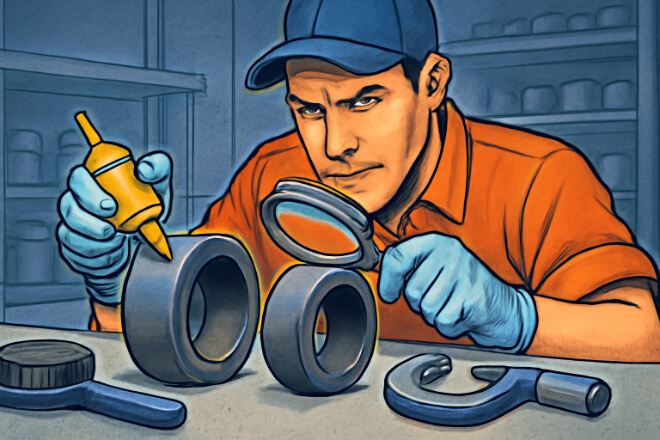
تتطلب كل من جلبات كربيد السيليكون وجلبات كربيد التنجستن صيانة دورية لضمان عملها بأعلى أداء.
نصائح أساسية للصيانة:
افحص بانتظام بحثًا عن التآكل أو الشقوق أو تلف السطح.
قم بتزييت المكان بشكل صحيح لمنع الاحتكاك غير الضروري.
راقب درجة الحرارة لمنع ارتفاع درجة الحرارة بشكل مفرط.
حافظ على نظافة المعدات لتجنب التلوث بالأوساخ أو المواد الكيميائية.
 English
  Español
  简体中文
简体中文  Français
  日本語
日本語  한국어
한국어  العربية
  Tiếng Việt