
Why Shaft Alignment Matters for Bushing Life
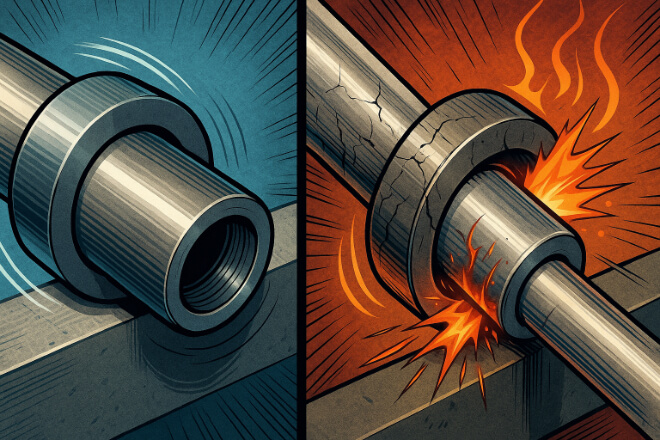
Shaft alignment refers to how well the shaft centerline matches the bushing centerline. Even small alignment errors can create big problems during operation.
1). Key Issues Caused by Poor Alignment
Higher friction and heat
Uneven load on the bushing
Faster wear and shorter service life
Vibration and noise in the machine
Increased energy consumption
Damage to pump or motor bearings
2). How Good Alignment Helps
Lower friction and smooth rotation
Longer bushing lifespan
Lower maintenance frequency
Better pump or machine efficiency
تقليل وقت التوقف
Good alignment ensures the tungsten carbide bushing works under stable and balanced conditions, which is critical for long-term performance.
Common Causes of Misalignment
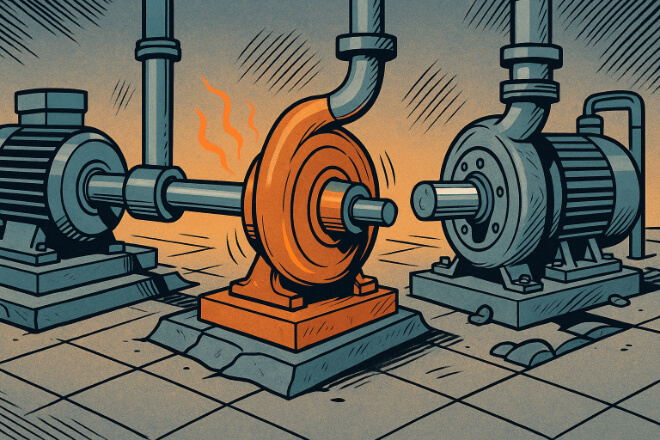
Many factors can cause misalignment. Understanding them helps decision-makers improve reliability.
1). Installation Errors
Improper installation is one of the most common causes. These include:
Uneven tightening of bolts
Incorrect press-fit
Poor mounting base
Using wrong tools or low precision jigs
2 ).Thermal Expansion
When machines run at high speeds or under high loads, parts heat up. Different materials expand at different rates, creating shaft displacement.
3). Wear of Machine Parts
Over time, bearing housings, motor feet, baseplates, and shafts may wear or deform.
4). Vibration and External Forces
Unbalanced rotating parts, pressure surges, or unstable foundations can shift the shaft out of position.
5). Manufacturing Tolerances
If either the shaft or the housing is not made with proper accuracy, misalignment will appear even before installation.
Tools and Methods to Improve Shaft Alignment
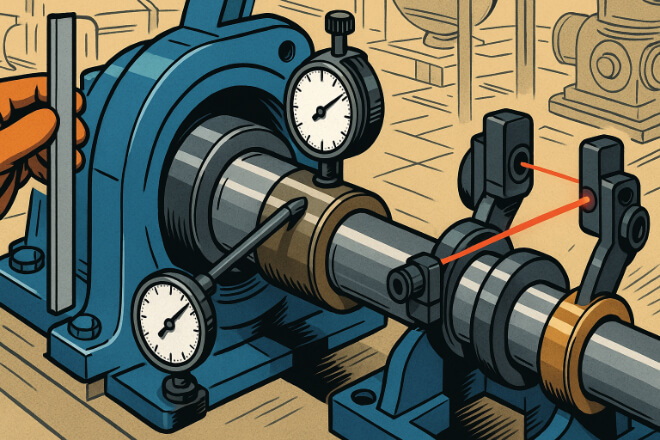
Different tools can be used depending on the accuracy needed and the budget available.
1). Straightedge and Feeler Gauge (Basic Method)
This is the simplest method. It is commonly used for small motors or general-purpose equipment.
1.1). المزايا:
تكلفة منخفضة
Easy to use
1.2). السلبيات:
Low accuracy
Not suitable for high-precision pump systems
2). Dial Indicator Alignment
Dial indicators measure the relative movement between two shafts.
2.1). المزايا:
More accurate than a straightedge
Easy to adjust based on readings
2.2). السلبيات:
Requires trained personnel
Time-consuming for large machines
3). Laser Alignment Systems (Best for Industry)
Laser alignment is the most modern and precise method.
3.1). المزايا:
Very high accuracy
Fast setup and measurement
Helps document alignment records
Reduces human error
3.2). السلبيات:
Higher cost
Requires trained operators
Steps to Improve Shaft Alignment
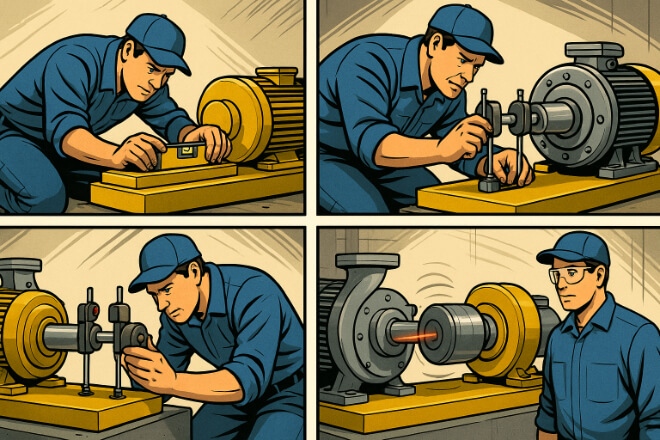
1) Prepare the Base and Mounting Surface
A stable foundation is the first step to good alignment.
Clean all mounting surfaces
Remove rust or dirt
Check for cracks or unevenness
Use shims for height correction
Make sure the baseplate is level
2) Align Before Tightening Bolts
During installation:
Position the machine loosely
Check alignment first
Tighten bolts slowly and evenly
Recheck alignment after tightening
3) Measure Thermal Growth
In high-temperature applications:
Calculate thermal expansion
Set “cold alignment” to compensate
Follow manufacturer recommendations
Use thermal growth offset charts
4) Use Laser Alignment for Final Adjustment
For pumps, compressors, and high-speed motors:
Use a laser alignment device
Set vertical and horizontal corrections
Verify offset and angular alignment
Record final readings
5) Verify Shaft and Bushing Clearance
Clearance affects alignment stability. If the clearance is too tight or too loose, misalignment becomes worse.
How Proper Alignment Extends Bushing Life
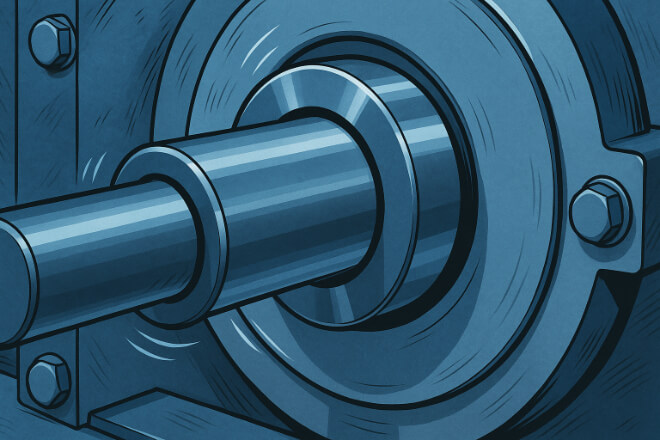
Proper shaft alignment gives tungsten carbide bushings three major benefits:
Reduced Friction and Heat: Well-aligned shafts rotate smoothly inside bushings. This reduces heat buildup, which slows wear.
More Even Load Distribution: Misalignment causes point-contact stress. Good alignment spreads the load across the whole bushing surface.
Less Vibration and Noise: Stable rotation protects not only the bushing but also seals, bearings, and pump shafts.
Longer Operating Life: With lower friction, lower stress, and better stability, tungsten carbide bushings can last 2–4 times longer in many applications.
Best Practices for Maintaining Alignment
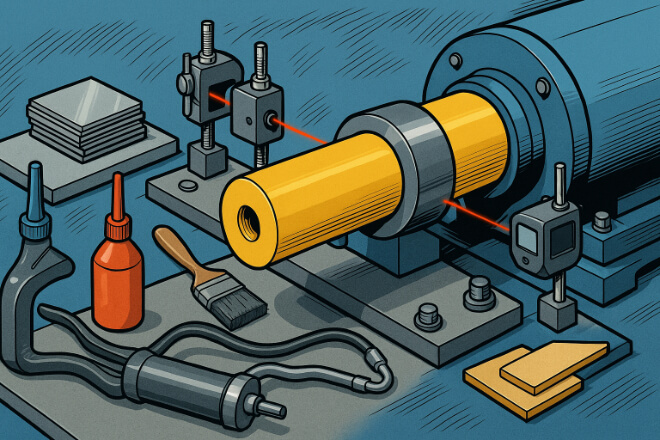
Use High-Quality Shims: Shims improve vertical alignment. Choose stainless steel or مقاوم للتآكل materials.
Monitor Bearing Conditions: Damaged bearings can pull the shaft out of alignment. Replace them early.
Avoid Excessive Force During Installation: Do not hammer the bushing. Use a press with controlled force.
Maintain Proper Lubrication: Insufficient lubrication increases friction and pushes the shaft off-center.
Keep the System Clean: Dust, rust, or debris on the mounting area affects equipment position.
 English
  Español
  简体中文
简体中文  Français
  日本語
日本語  한국어
한국어  العربية
  Tiếng Việt