
Why Use Tungsten Carbide Burrs for CNC Deburring?
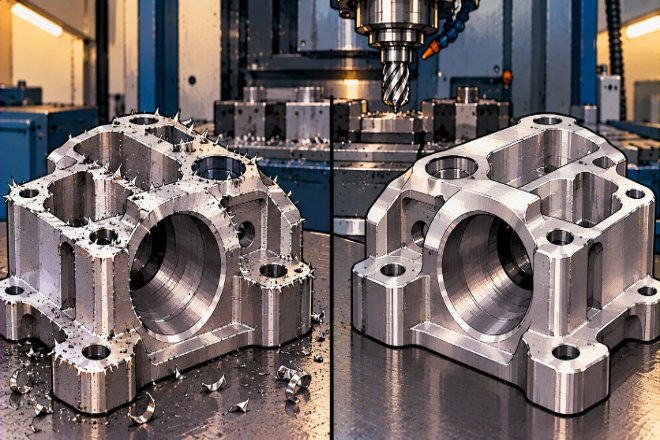
A CNC machine can produce a precise metal part, but a small burr may still remain around its edges, holes, or slots. Removing these burrs by hand adds another step to production. Tungsten carbide burrs for CNC deburring offer a practical solution. They can remove unwanted material directly inside a machining center, helping manufacturers reduce extra handling and improve edge quality. 1. Why Is Deburring Important in CNC Machining? CNC machining is known for accuracy, but even a well-programmed machine cannot prevent every burr. During milling, drilling, turning, and other cutting operations, small pieces of metal may remain attached to the workpiece. These burrs often appear where the cutting tool […]
How Are Tungsten Carbide Burrs Used for Robotic Deburring?
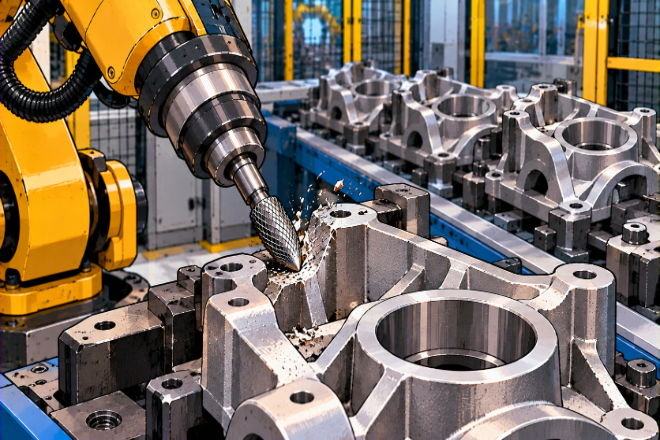
Robotic deburring can turn a slow manual task into a repeatable production process. But a robot is only as good as the tool at its end. Tungsten carbide burrs are widely used for robotic deburring because they can remove unwanted material while following programmed paths and complex part shapes. The real challenge is choosing the right burr and making the whole process stable. 1. Why Are Tungsten Carbide Burrs Used for Robotic Deburring? Deburring sounds simple until a factory has to process hundreds or thousands of parts. A manual operator may adjust pressure, angle, and movement naturally. A robot cannot simply “feel” that something looks wrong. It needs a stable […]
Can Tungsten Carbide Burrs Remove Excess Brazing Material?
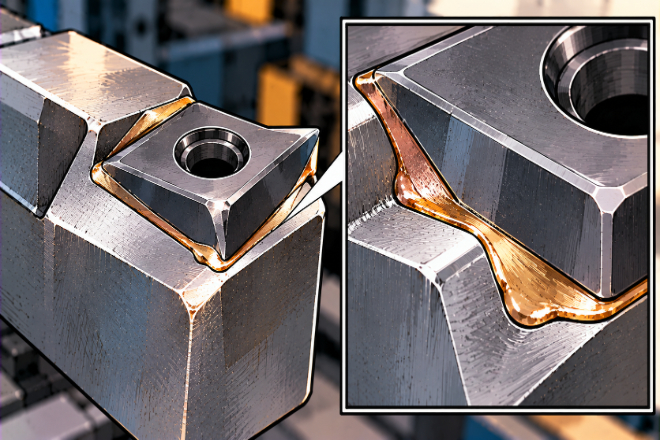
After brazing, extra filler metal can remain around a carbide insert or metal joint. It may need to be removed before the next production step. Tungsten carbide burrs can handle this kind of local cleanup, but the key is removing the excess without touching the useful brazed joint. 1. What Is Excess Brazing Material? During brazing, a filler metal melts and flows between two parts to form the joint. A small amount of extra filler may flow outside the intended joint area. This can leave raised metal, thin fillets, drops, or smeared material around the brazed area. For example, a tungsten carbide insert may be brazed into a steel cutting […]
Can Tungsten Carbide Burrs Prepare Surfaces for Coating?
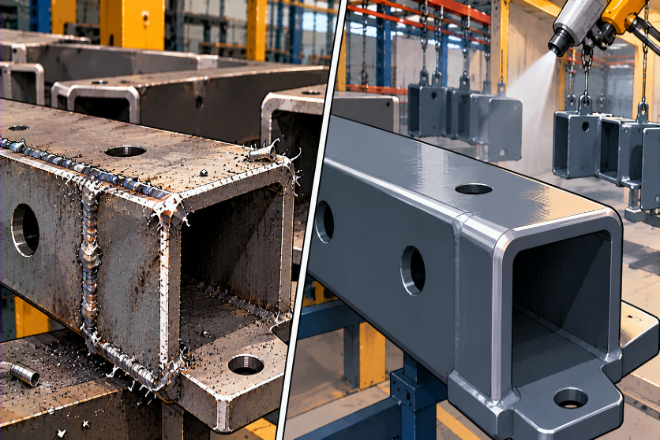
A good coating job starts with good surface preparation. Sharp edges, weld remains, burrs, and damaged spots can cause problems after coating. So, can tungsten carbide burrs help prepare metal surfaces? Yes. They are useful for local metal removal, edge rounding, weld cleanup, and difficult areas before coating. 1. Why Does Surface Preparation Matter Before Coating? A coating cannot hide every surface problem. If the metal underneath has sharp edges, loose material, weld remains, or unwanted high spots, these problems can remain after coating. In some cases, they can even become more noticeable. Surface preparation is therefore an important part of coating performance. Sharp edges can be difficult to coat […]
How Are Tungsten Carbide Burrs Used for Edge Rounding?
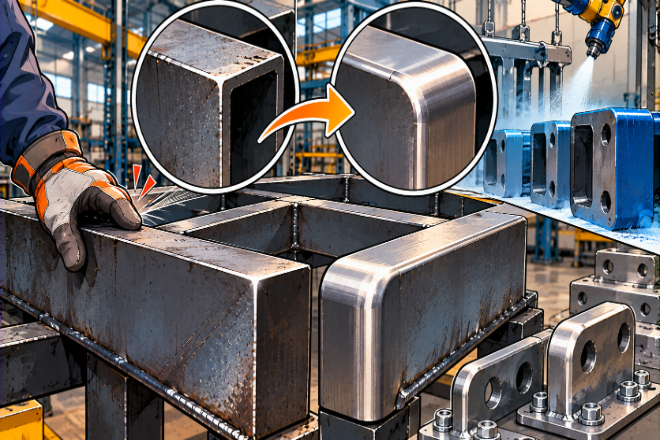
A sharp metal edge may look harmless, but it can create problems in manufacturing, assembly, coating, and maintenance. It can damage seals, hurt workers, affect coating coverage, or make a finished part look unfinished. This is why edge rounding matters. Tungsten carbide burrs are widely used to remove sharp edges and create smoother, controlled radii on metal parts. But getting a good result is not simply a matter of running a burr along the edge. The burr shape, cutting method, speed, pressure, and required radius all matter. 1. Why Is Edge Rounding Important in Metal Manufacturing? Edge rounding is more than making a metal part look nicer. A freshly cut […]
Why Use Tungsten Carbide Burrs for Precision Chamfering?
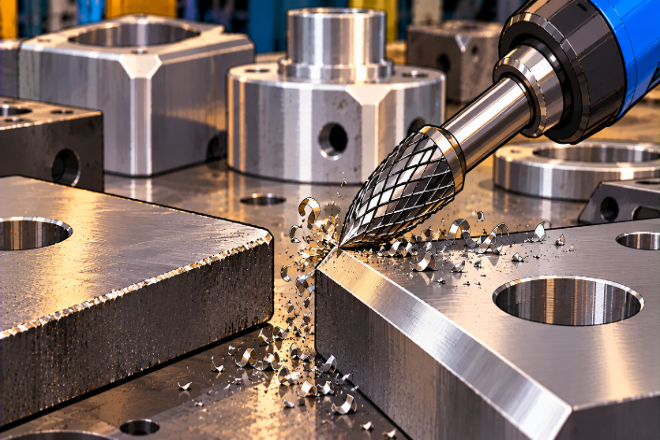
A chamfer may look like a small detail, but a poor one can create assembly problems, sharp edges, bad weld preparation, or extra finishing work. Tungsten carbide burrs for precision chamfering give manufacturers a flexible way to create controlled edge shapes on many metals, especially when access, speed, and repeatability all matter. 1. What Makes Tungsten Carbide Burrs Useful for Precision Chamfering? Chamfering means removing a controlled amount of material from an edge to create a sloped surface. Simple enough.But there is a big difference between breaking a sharp edge and producing a controlled chamfer. If a worker only needs to remove a sharp corner, many tools can do the […]
 English
  Español
  简体中文
简体中文  Français
  日本語
日本語  한국어
한국어  العربية
  Tiếng Việt