
How Are Tungsten Carbide Burrs Used for Deep-Hole Finishing?
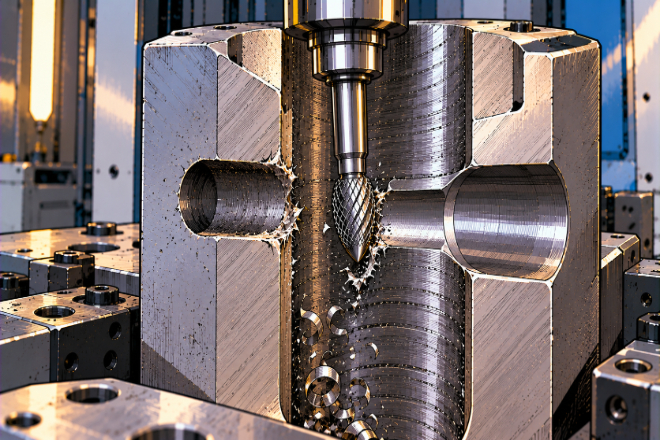
Finishing the outside of a metal part is usually straightforward. But what happens when the rough area is hidden deep inside a hole? Tungsten carbide burrs for deep-hole finishing can help remove internal burrs, clean difficult edges, and correct small surface defects. The challenge is reaching the problem without damaging the surrounding bore. 1. Why Is Deep-Hole Finishing Difficult in Metalworking? A deep hole may look simple from the outside, but its internal surface can create several manufacturing problems. During drilling, boring, or milling, small burrs may remain along internal edges. Tool marks, casting defects, and uneven transitions can also appear inside the hole. These problems become more difficult to […]
Which Tungsten Carbide Burrs Are Best for Groove Machining?
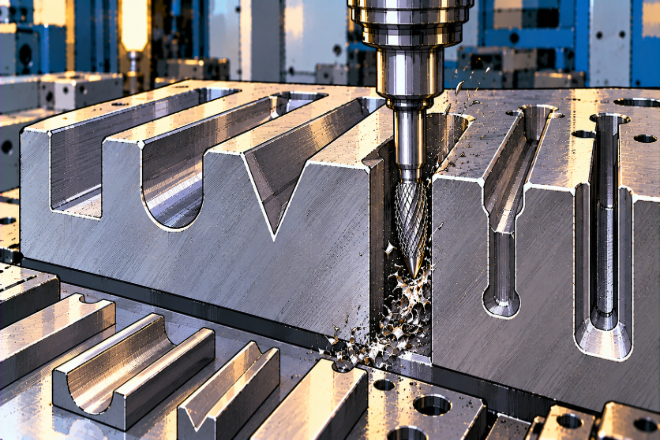
A groove may look like a simple cut in metal, but its width, depth, and shape can make machining difficult. Choosing the wrong tool can leave rough walls, uneven bottoms, or damaged edges. Tungsten carbide burrs for groove machining are useful for shaping, widening, and finishing many types of grooves. The best choice depends on the groove design, workpiece material, and required accuracy. 1. What Makes Groove Machining Different from General Metal Cutting? Groove machining involves removing material from a narrow area to create or improve a channel in a metal component. These grooves can have different shapes. Some have straight walls and flat bottoms, while others have rounded, V-shaped, […]
How Can Tungsten Carbide Burrs Finish Narrow Slots?
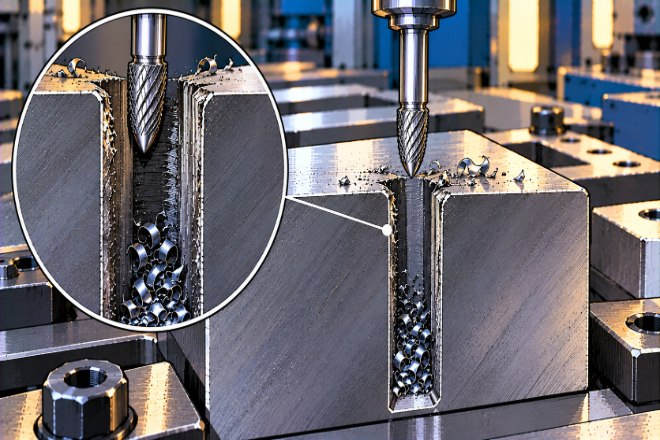
Narrow slots are common in metal parts, but finishing them can be tricky. A small burr, rough wall, or uneven corner may cause assembly problems, even when the rest of the component is perfectly machined. Tungsten carbide burrs for narrow slot finishing can remove unwanted material from tight spaces. The key is choosing a burr that fits the slot and cuts without damaging its shape. 1. Why Are Narrow Slots Difficult to Finish? A narrow slot gives the cutting tool very little room to work. Unlike an open metal surface, a slot has two sidewalls and often a bottom surface. These areas limit tool movement and make it harder to […]
 English
  Español
  简体中文
简体中文  Français
  日本語
日本語  한국어
한국어  العربية
  Tiếng Việt