
Why Cross-Referencing Part Numbers Is Important

Cross-referencing part numbers is essential for several reasons:
Compatibility: Ensuring that the replacement bushing matches the specifications of the original part prevents issues like misalignment or failure due to improper fit.
Quality Assurance: Using the correct part ensures that the performance characteristics of the bushing, such as 耐摩耗性 そして 硬度, are preserved.
Time and Cost Savings: Correctly cross-referencing part numbers minimizes the risk of selecting an incompatible part, reducing the need for returns and delays.
By understanding how to cross-reference part numbers, you can ensure a smooth replacement process and maintain the efficiency of your equipment.
How to Cross-Reference Tungsten Carbide Bushing Part Numbers
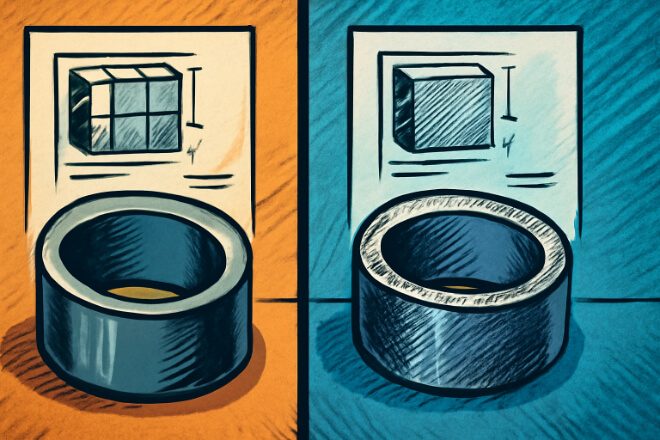
Cross-referencing involves comparing part numbers from different manufacturers or suppliers to ensure compatibility. Here’s a step-by-step process to help you get the right replacement bushing.
Step 1: Identify the Original Part Number
The first step is to find the original part number of the tungsten carbide bushing that needs replacement. This information can typically be found in:
Manufacturer’s Catalog: The original catalog from the OEM usually lists the part number and specifications.
Machine or Equipment Manual: If the bushing is part of a larger assembly, the machine’s manual should provide the part number.
Part Labels: Some bushings have the part number printed on the component itself.
Step 2: Understand the Bushing Specifications
Before cross-referencing, it’s important to understand the specifications of the bushing. Key specifications to check include:
Inner Diameter (ID): The size of the hole in the center of the bushing.
Outer Diameter (OD): The overall diameter of the bushing.
Length: The bushing’s total length.
Material Type: Verify whether the bushing is WC-Co (tungsten carbide cobalt) or WC-Ni (tungsten carbide nickel).
Tolerance Levels: Ensure that the part meets the necessary tolerance requirements for the application.
Step 3: Use Cross-Reference Databases
Many suppliers and manufacturers offer online tools or databases for cross-referencing part numbers.
These tools allow you to enter the original part number and find compatible replacements from different brands.
OEM Supplier Websites: Many OEMs provide cross-reference tools on their websites.
Third-Party Databases: Some third-party websites also offer databases to help cross-reference parts across multiple manufacturers.
Step 4: Check Manufacturer’s Specifications
Once you find a potential replacement part, verify that the part meets the manufacturer’s specifications.
Cross-referencing tools might give you multiple options, but it’s important to ensure that the dimensions, material composition, and performance properties match.
How to Read and Interpret Cross-Referenced Part Numbers
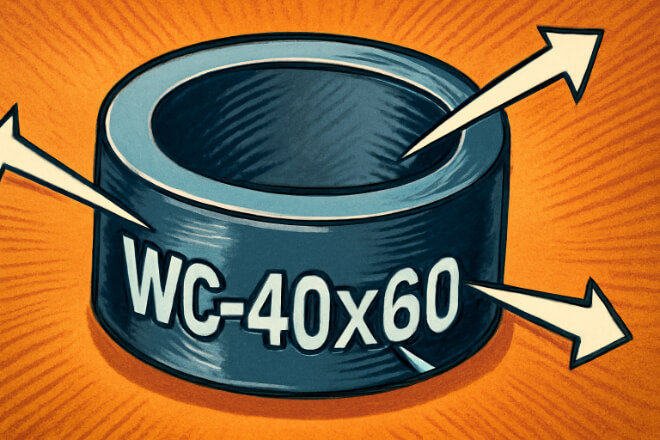
Understanding part numbers is crucial for successful cross-referencing. Part numbers typically consist of several alphanumeric characters that represent different specifications.
Here’s a breakdown of how to interpret a typical tungsten carbide bushing part number:
1). Common Part Number Structure:
Prefix: The first few letters often indicate the material type (e.g., “WC” for tungsten carbide).
Diameter and Length: Numbers following the prefix often refer to the bushing’s dimensions (e.g., “25-50” could mean a 25mm ID and 50mm OD).
Series or Type: Some part numbers include a series number or type code, indicating specific design features or tolerance levels.
Suffix: The suffix may indicate additional features, such as coating, tolerance, or supplier-specific information.
2). Example:
WC-25-50-04
WC: Tungsten carbide
25: Inner diameter of 25mm
50: Outer diameter of 50mm
04: A specific series or tolerance rating
Common Mistakes to Avoid When Cross-Referencing Part Numbers
Cross-referencing part numbers can be tricky, especially when dealing with different manufacturers or suppliers. Here are some common mistakes to avoid:
1). Not Verifying Material Composition
Tungsten carbide bushings are made with different binder materials (Co, Ni, etc.), which can significantly affect the performance.
Be sure to check that the material composition of the replacement part matches the original one.
2). Ignoring Tolerance and Dimensions
Even slight variations in the dimensions or tolerances of the bushing can lead to issues like misalignment or failure. Always verify that the replacement part meets the required specifications.
3). Using Incompatible Supplier Codes
Different suppliers may have different part number systems. Make sure that the cross-referenced part number from another supplier is fully compatible with the bushing’s original design and purpose.
Benefits of Properly Cross-Referencing Tungsten Carbide Bushing Part Numbers
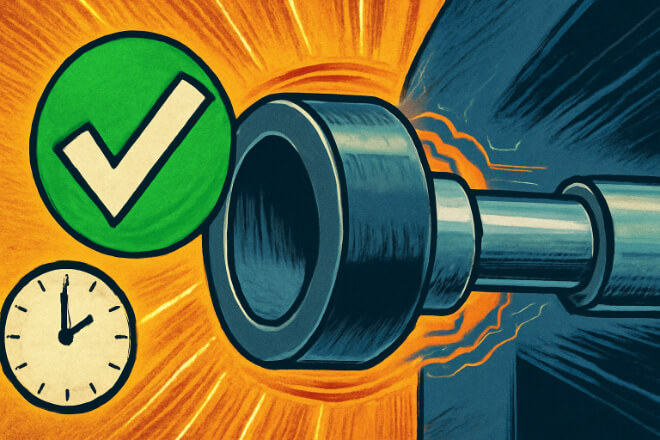
Proper cross-referencing ensures that your equipment operates smoothly and avoids issues that could lead to costly downtime or repairs.
Key Benefits:
Improved Compatibility: Ensures the replacement part fits perfectly with your existing equipment.
Cost Savings: Finding the right replacement part can help save money by preventing mismatches and avoiding early wear or failures.
Reduced Downtime: Choosing the correct part ensures quicker repairs and minimal disruption to operations.
Enhanced Performance: The right bushing improves machinery efficiency and extends service life.
 English
  Español
  简体中文
简体中文  Français
  日本語
日本語  한국어
한국어  العربية
  Tiếng Việt