
1. Understanding the Importance of Maintaining Tungsten Carbide Tips

Tungsten carbide is one of the hardest materials available, making it ideal for cutting through tough materials like metal, rock, and concrete. However, despite its durability, carbide tips are not immune to wear and damage.
Over time, excessive wear, improper handling, and harsh cutting conditions can degrade their performance.
Why Maintenance Matters:
Maximizes Tool Life: Proper care and maintenance can extend the lifespan of carbide tips, reducing the frequency of replacements.
Maintains Cutting Efficiency: Well-maintained carbide tips maintain their sharpness and cutting performance, ensuring efficient operations.
Reduces Downtime: Regular maintenance helps identify and address issues early, preventing unexpected breakdowns and minimizing downtime.
By taking the time to properly maintain tungsten carbide tips, you can ensure optimal tool performance and reduce overall costs in the long run.
2. Best Practices for Cleaning Tungsten Carbide Tips

One of the simplest yet most effective maintenance practices is cleaning carbide tips regularly.
Dirt, debris, and built-up materials can negatively impact cutting efficiency and increase wear on the tip.
Cleaning Tips for Tungsten Carbide Tools:
Use Compressed Air: Regularly blow away dust and debris from carbide tips using compressed air. This will prevent buildup that could cause premature wear.
Avoid Harsh Chemicals: When cleaning, use mild cleaning agents that won’t corrode the carbide material. Harsh chemicals can cause damage to the tips.
Inspect for Build-up: After cleaning, inspect the tips for any remaining material build-up. Use a brush to remove stubborn residues if necessary.
Keep Tips Dry: After cleaning, ensure the carbide tips are completely dry before storage. Moisture can cause rust or damage to the tips and tool body.
Regular cleaning ensures that your carbide tips stay in peak condition and reduces the chances of unexpected failures or decreased cutting performance.
3. Proper Lubrication to Prevent Overheating
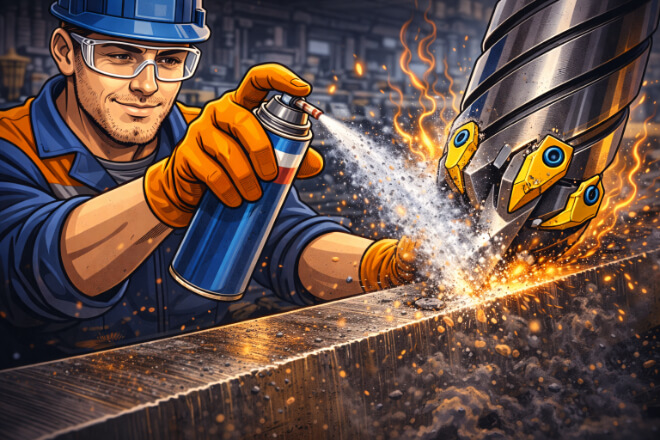
Lubrication plays an essential role in reducing friction and heat generation during cutting operations.
Without proper lubrication, carbide tips can overheat, which can soften the carbide and result in quicker wear.
Lubrication Best Practices:
Use the Right Lubricant: Ensure you’re using the appropriate lubricant for the material being cut. For example, oils or water-soluble coolants can help reduce heat buildup and friction during machining.
Apply Consistently: Make sure the lubricant is applied consistently across the entire cutting surface. Inconsistent lubrication can lead to uneven wear.
Monitor Lubricant Levels: Regularly check and refill lubrication systems to ensure they are functioning correctly during prolonged operations.
By ensuring proper lubrication, you help keep your carbide tips cool, reducing the risk of premature wear and maintaining cutting efficiency.
4. Check for Wear and Tear Regularly

Even the most durable tools experience wear over time. Regularly inspecting carbide tips for wear and tear is crucial for maximizing their lifespan and ensuring continued performance.
1). Signs of Wear to Look For:
Chipping or Cracking: Check for any visible chips or cracks in the carbide tip. These could lead to tool failure and should be addressed immediately.
Worn Cutting Edges: As the carbide wears down, the cutting edge may lose sharpness. If the edge appears dull or rounded, it’s time for maintenance.
Uneven Wear: Uneven wear patterns may indicate improper tool alignment or an issue with the cutting process that needs to be addressed.
2). Inspection Tips:
目视检查: Inspect the tips regularly for signs of wear, cracks, and chips.
Use a Magnifying Glass: For more detailed inspection, use a magnifying glass or microscope to look for fine cracks or imperfections.
Measure Tip Wear: Measure the wear on the cutting edge to determine when the tips need to be replaced or sharpened.
By keeping an eye on wear and tear, you can prevent issues before they become critical, extending the lifespan of your carbide tips.
5. Proper Storage of Tungsten Carbide Tips

Storing your tools properly is key to maintaining their effectiveness and preventing unnecessary wear or damage.
Improper storage can expose carbide tips to corrosion, humidity, or physical damage, reducing their lifespan.
Storage Best Practices:
Keep Tips Dry: Store carbide tips in a dry environment to prevent rusting. Moisture can cause the tips to degrade over time.
Avoid Shock: Store tips in protective containers or padded trays to avoid physical damage, such as chips or cracks.
Store in a Cool Place: Excessive heat can damage carbide tips. Store your tools in a cool, dry, and temperature-controlled environment.
Label for Easy Access: Properly label your tools to avoid unnecessary handling or mishandling, which can lead to accidental damage.
Proper storage will keep your carbide tips in top condition and ready for use when needed.
6. Sharpening Tungsten Carbide Tips

Sharpening is an important step in maintaining tungsten carbide tips and extending their useful life.
While carbide is extremely hard and resistant to wear, it will still require sharpening after prolonged use to maintain cutting efficiency.
Sharpening Tips:
Use a Diamond Wheel: A diamond wheel is ideal for sharpening tungsten carbide due to its hardness and ability to grind carbide without causing damage.
Avoid Over-Sharpening: Excessive sharpening can wear down the carbide, shortening the tool’s lifespan. Only sharpen the tips when necessary and follow manufacturer guidelines.
Sharpness Check: After sharpening, check the sharpness of the cutting edge to ensure it is effective for the next operation.
Sharpening carbide tips helps restore their performance and extends their service life, but it should be done carefully to avoid damaging the material.
7. Cost Benefits of Maintaining Tungsten Carbide Tips

While carbide-tipped tools may have a higher initial cost, proper maintenance can lead to long-term savings by extending tool life and reducing the need for frequent replacements.
Cost Benefits of Proper Maintenance:
延长刀具寿命: Regular cleaning, lubrication, and sharpening help keep the tips performing at their best for longer, reducing replacement costs.
Improved Productivity: Well-maintained tools cut more efficiently, leading to faster production times and reduced downtime.
降低维护成本: Proper maintenance reduces the need for expensive repairs and avoids costly downtime due to tool failure.
Investing in regular maintenance for carbide tips provides a good return on investment by maximizing tool performance and longevity.
 English
  Español
  简体中文
简体中文  Français
  日本語
日本語  한국어
한국어  العربية
  Tiếng Việt